
If you own a home in New York, especially in areas with older basements, heavy rain, and long winters, you’ve probably wondered whether you need a sump pump. Many New York houses deal with moisture at some point, and even a small amount can turn into a big problem if it’s ignored. A sump pump is one of the easiest ways to keep water out of your basement, protect your foundation, and avoid costly water damage.
Below, we break down what a sump pump actually does, why New York homes face higher water risks, and how to tell if installing one is the right move.
What Does a Sump Pump Do?
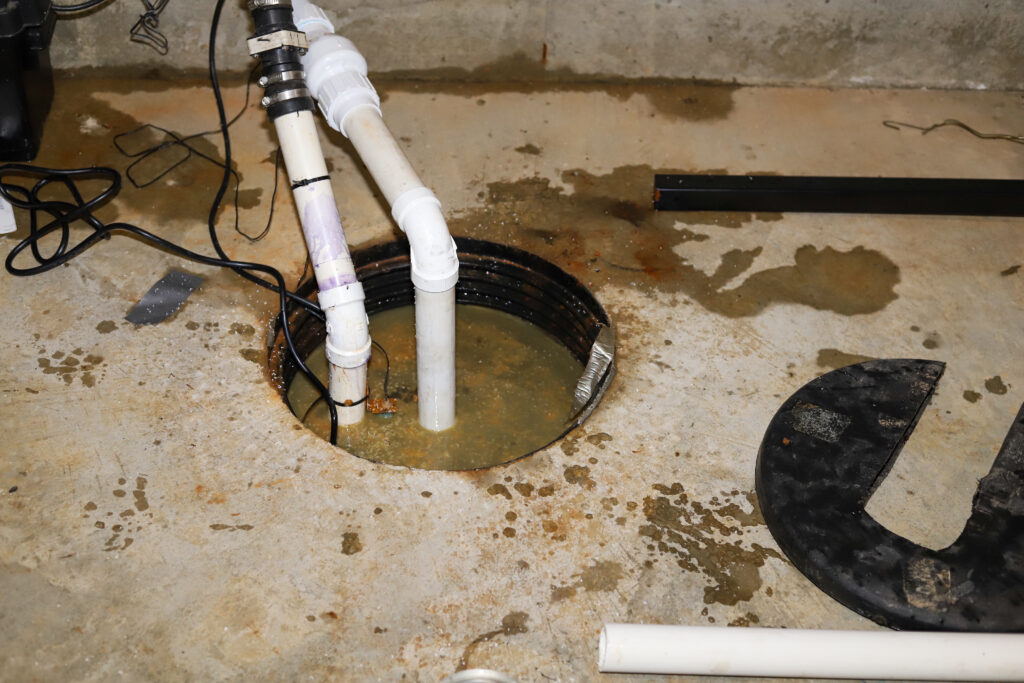
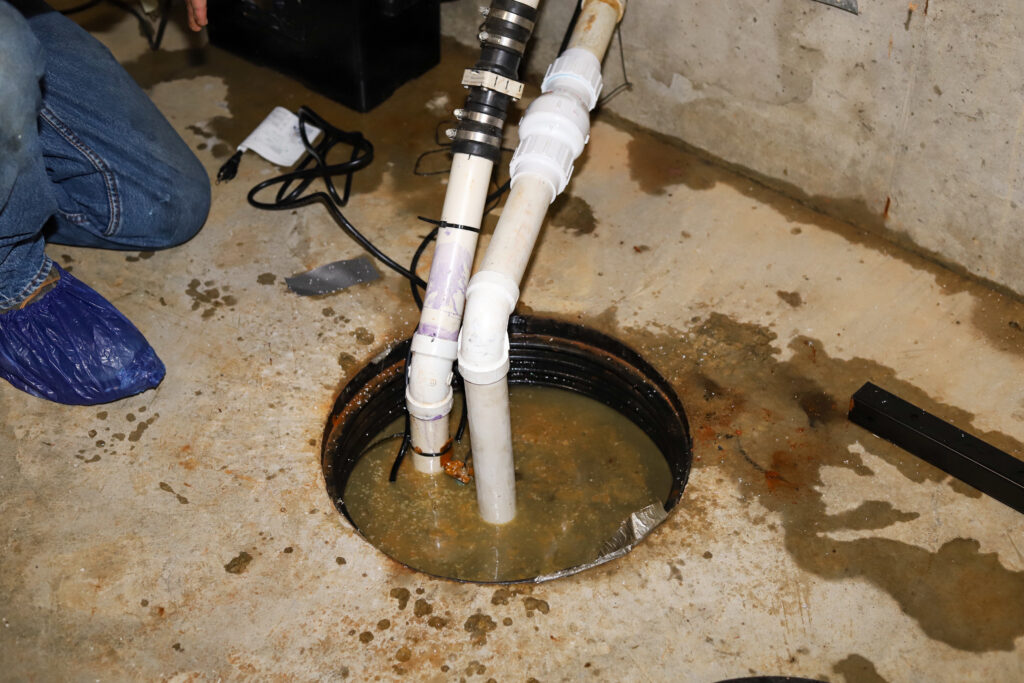
A sump pump’s job is simple: It collects water under your basement and pumps it away from your home before it can leak inside.
Here’s how it works:
- Your plumber installs a small pit, called a sump pit, in the lowest part of the basement.
- Groundwater drains into that pit as the soil around your home gets wet.
- A float switch inside the pit rises as water fills it.
- When the water gets high enough, the pump turns on automatically.
- The pump pushes the water out through a discharge pipe that sends it far away from your foundation.
If you think of your basement like a boat, the sump pump is the bilge pump; it stops water from building up and keeps everything dry.
Signs You Might Need a Sump Pump
Not every home needs one, but many New York basements show early signs of moisture problems long before real flooding happens. If you notice any of these, it’s worth paying attention:
- Past water or flooding
- Damp or musty smells
- Water stains or white residue on walls
- Soggy soil or poor drainage outside.
- You live in a low spot or a high-water-table area
Any one of these signs doesn’t guarantee a future problem, but together they point toward a basement that could benefit from a sump pump.
Why New York Homes Are More at Risk for Basement Moisture
New York’s weather patterns make moisture control a year-round concern. Homeowners deal with several challenges that naturally push water toward the foundation:
- Heavy rainstorms: Strong thunderstorms, long fall rainstorms, and lake-effect weather can quickly saturate the soil.
- Snowmelt and spring thaw: When a heavy winter melts all at once, the ground can’t soak up water fast enough. This sends excess water toward basements and crawl spaces.
- Hydrostatic pressure: As soil becomes soaked, water puts pressure on your foundation walls. This pressure forces moisture into any small crack or joint, even in newer concrete.
- Older foundations: Many New York basements were built decades ago. Stone walls, block walls, and aging concrete naturally absorb more water than modern materials.
When you combine all these factors, even homes without a history of flooding may still face hidden moisture problems.
Sump Pump Maintenance Basics for New York Homeowners
If you already have a sump pump or are considering installing one, regular maintenance is important. New York’s freezing winters and wet springs put extra stress on pumps and discharge lines.
Here are simple steps you can handle throughout the year:
- Test the pump: Pour a bucket of water into the pit. The float should rise and turn the pump on. If nothing happens, the pump needs attention.
- Keep the pit clear: Make sure dirt, debris, or small objects aren’t blocking the float or pump intake.
- Check the discharge line: In winter, the pipe outside can freeze or clog. If water can’t escape, it backs up into the basement.
- Think about backup power: Storms often knock out power, the same storms that create basement flooding. A battery backup pump keeps your basement protected during outages.
Routine checks help your pump work quickly when the ground around your home gets saturated.
Get Professional Help Protecting Your Basement
If you’re unsure whether your home needs a sump pump, start with a professional assessment. AP Plumbing’s licensed, insured, and background-checked plumbers will inspect your basement, explain what’s causing moisture, and recommend the right sump pump or backup setup for your home. As a Certified Delta Service Provider and Nexstar member, we offer clear, upfront pricing and no surprise charges, so you get honest guidance you can trust.
Contact AP Plumbing today to schedule a basement assessment, sump pump installation, or maintenance service to prevent flooding and protect your home year-round.