

When you live in Rochester or Syracuse, you get used to long stretches of rain, heavy lake‑effect snow, and spring thaws that leave the ground saturated. If your home sits in areas like Park Avenue, Charlotte, Eastwood, or Strathmore, you’ve probably wondered how to keep your basement or crawlspace protected during these unpredictable seasons.
You might know your property has a sump pump, but understanding how a sump pump works can help you feel more confident about keeping your space dry. Many houses in Rochester are more than four decades old, and in Syracuse, plenty are well past the seven‑decade mark. As these structures age, their original sealing often weakens, which can let the areas’ high water tables and more than 30 inches of yearly precipitation creep into your house. AP Plumbing is here to walk you through what a sump pump does and how it shields your basement from moisture.
What Is A Sump Pump?
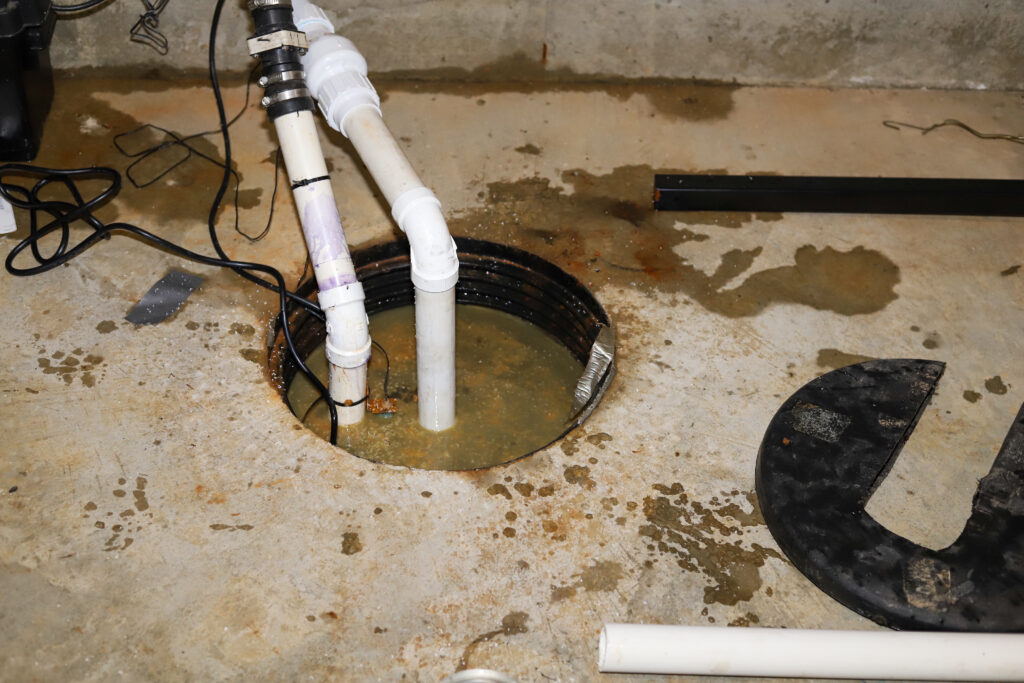
A sump pump is a compact device installed in the lowest part of your basement or crawlspace. Its job is simple: collect rising groundwater and push it away from your home before it can cause trouble.
By sitting inside a specially designed pit, it monitors water levels and activates only when needed. This quiet, hardworking unit plays a major role in preventing moisture issues throughout the year.
The Purpose Of A Sump Pump
A sump pump’s main purpose is to collect and remove groundwater before it can accumulate in a basement or crawlspace. Without one, you may face several risks:
- Basement flooding: Water can rise quickly during storms or snowmelt.
- Foundation strain: Excess moisture can push against walls and weaken structural integrity.
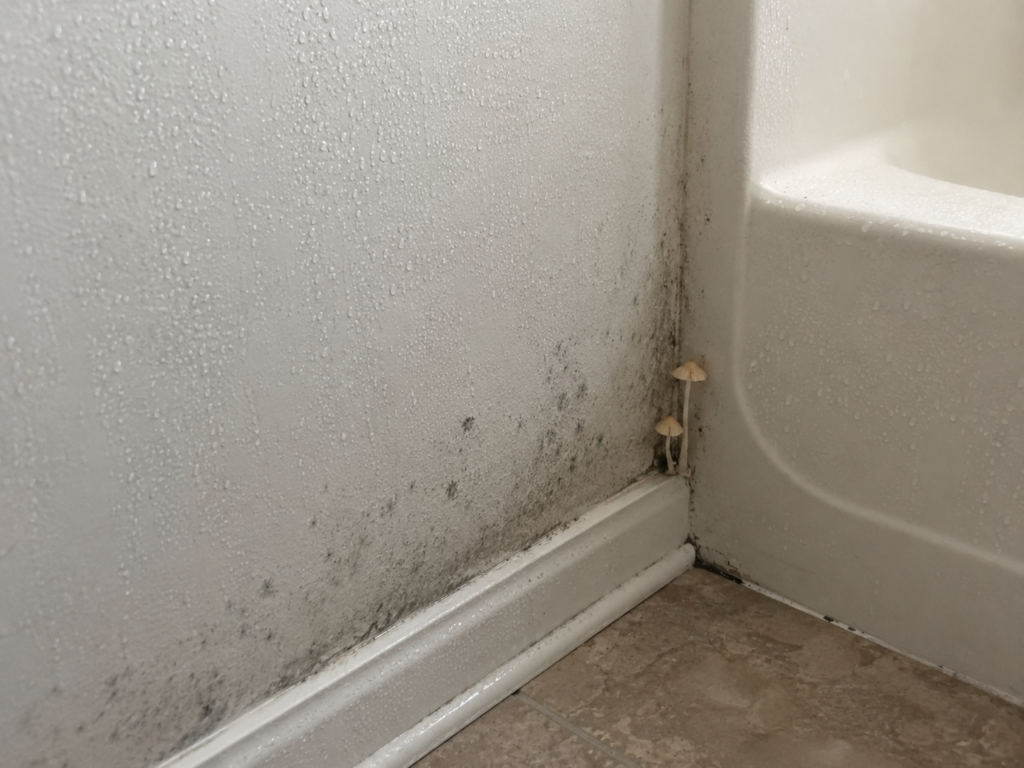
- Mold growth: Damp conditions create ideal environments for mold.
- Damage to belongings: Stored items can be ruined by even minor water intrusion.
How A Sump Pump Works
A sump pump operates by monitoring groundwater levels and responding when moisture reaches a certain height. While the process is straightforward, each stage plays an important role in keeping your house protected.
From Water Collection To Discharge
Here’s how the process unfolds:
- Water enters the pit: Moisture flows into the basin through natural drainage.
- Float switch rises: Rising water lifts the switch, signaling the pump to turn on.
- Pump engages: The motor begins moving water out of the pit.
- Check valve opens: This prevents water from flowing backward.
- Water exits home: Moisture travels through the discharge pipe and away from your foundation.
Main Sump Pump Components
Knowing the parts of a sump pump helps you understand how each piece contributes to keeping your basement dry. Because these systems are delicate, professional service is essential to ensure everything works correctly.
Parts That Keep Water Moving
- Sump pit: Holds incoming groundwater until the pump activates.
- Pump: Moves water out of the pit and away from your house.
- Float switch: Detects rising water and triggers the pump.
- Check valve: Stops discharged water from flowing back into the pit.
- Discharge pipe: Carries water safely outside.
- Power source: Supplies electricity to keep the system running.
Signs Your Pump Needs Service
Your sump pump often gives subtle hints when it requires sump pump repair. Spotting these early helps you avoid bigger issues and keeps your home protected year‑round.
Common Sump Pump Problems
There are several common signals your system will give off when it begins struggling.
- Unusual noises: Grinding or rattling can indicate worn components.
- Continuous operation: Running nonstop may signal a stuck switch or rising groundwater.
- Failure to activate: If the pump doesn’t turn on, the switch or motor may be compromised.
- Visible damage: Cracks or corrosion can reduce performance.
- Water remaining in pit: Standing water suggests the pump isn’t moving moisture effectively.
Keep Your Sump Pump Reliable with AP Plumbing
Households in Rochester and Syracuse rely on AP Plumbing for dependable sump pump care. You can count on no surprise charges, and licensed, insured, and background‑checked plumbers who prioritize your safety.
As a Certified Delta Service Provider and Nexstar member, our team brings trusted expertise to every visit. We also support the community through annual donations to Homesteads For Hope, Lollypop Farm, and CP Rochester, showing our commitment to both customers and local organizations.
Always Plumbing, Always Professional. Schedule with us today to keep your sump pump performing at its best.
Frequently Asked Questions
When Does A Sump Pump Turn On?
A sump pump turns on when rising groundwater lifts the float switch inside the pit. Once the switch reaches a certain height, the pump activates and begins moving water away from your house.
Where Does Sump Pump Water Go?
Discharged water travels through a dedicated pipe that directs moisture away from your foundation. It typically exits into a yard, drainage area, or another safe location designed to keep your basement dry.